
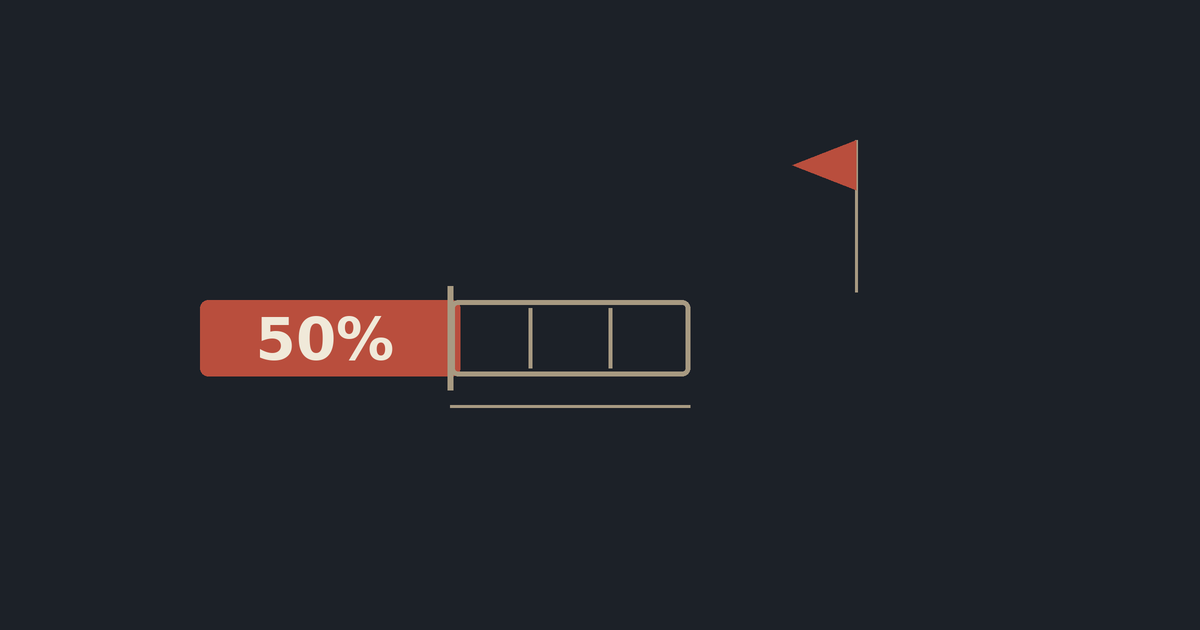
You’ve picked a contractor for your addition, the contract is in front of you, and the payment schedule asks for 50% — sometimes more — before a single permit is pulled or a wall is touched. The contractor tells you it’s standard, that they need it to “order materials” and “lock in the crew.” You’re about to write a check for six figures’ worth of work against a hole in the ground that doesn’t exist yet.
Stop and think about what that number is really protecting. On the kind of large-scale additions we build across South Jersey and the Main Line, a payment schedule front-loaded with 40–50% before work begins is one of the most reliable warning signs in the entire industry — and it’s the one that costs homeowners the most when it goes wrong.
What a normal deposit actually looks like
A real deposit exists to cover the contractor’s genuine upfront costs — design coordination, engineering, permit fees, and the first materials order — and to confirm you’re a serious client who’s going to show up. On a large addition, that’s a meaningful number, but it is not half the job. A reasonable initial payment is typically a smaller percentage of the total, followed by a schedule of payments tied to completed milestones: foundation poured and inspected, framing up and inspected, mechanicals roughed in, drywall, finishes, final.
The principle is simple. At every point in the project, the amount of money you’ve paid should never be dramatically more than the amount of work that’s actually in the ground. When the payments track the work, you always have leverage, and the contractor always has a reason to keep showing up. When the payments run ahead of the work, both of those things flip — and they flip in the contractor’s favor.
Why contractors front-load the schedule
The honest version: a contractor who is undercapitalized needs your deposit to finance your job — or worse, to finish the last client’s job. This is the tell that should worry you most. A business that can’t float the early stage of a project it just signed is a business operating with no cushion, and the first bad week — a slow payment from another client, a materials price spike, a crew that quits — lands directly on your project as a stall.
The dishonest version: the front-loaded deposit is the product. Some operators collect large deposits across several jobs, do partial work on each, and use the next deposit to paper over the last. The day the deposits stop coming in faster than the work falls behind is the day the whole thing collapses, and the homeowners holding half-finished projects are the ones left to sort out the wreckage.
And there’s a quieter version that isn’t predatory at all: the contractor genuinely doesn’t manage cash well, asks for big deposits out of habit, and means to do right by you. The intent is fine. The exposure to you is identical. Your money is sitting in their account funding something other than your project, and you have no way to see which version you’re dealing with until it’s too late to act.
What it looks like in practice
A homeowner in Moorestown signs for a rear addition and pays 50% on signing. Demolition happens fast — it’s cheap and it’s visible, and it makes the homeowner feel like the money was well spent. Then the pace drops. The crew is there two days a week, then one, then not at all. When the homeowner asks for a schedule, they get vague answers about a supplier delay. The truth is that the deposit has already been spent — some of it on this job, some of it not — and the contractor is now waiting on the next draw to do work that the first payment was supposed to cover. The homeowner has a torn-up house, a large check already cashed, and no leverage left to pull.
The Haddonfield version is more expensive because the project is bigger. A second-story addition where the homeowner pays 40% upfront on a $300K job is handing over a sum that no longer maps to any work on site. By the time the framing is going up, the homeowner realizes the payments and the progress stopped matching weeks ago — and the contract’s payment schedule, which they signed, is what makes that legal.
What to do if you see it
Ask, in writing, for a payment schedule tied to completed and inspected milestones rather than to the calendar or to “signing.” Ask what the initial deposit specifically covers — name the line items — and ask why the contractor can’t float the early stage of a project they just won. A well-run contractor in our market can answer that question without getting defensive, because their schedule already works this way.
If the contractor insists on a large upfront percentage, ask whether they’ll accept a smaller deposit with the balance released against milestones, and watch how they react. A “no” that comes with pressure — the discount disappears, the start date slips, the tone changes — is telling you the deposit was never really about materials. And never combine a large upfront payment with the other classic warning signs: a bid that came in dramatically low, no line-item breakdown, or a contractor you couldn’t verify. A heavy deposit is what turns every one of those doubts into a problem you can no longer fix.
What MAG does instead
Our payment schedules are tied to real milestones, not the calendar. The deposit covers actual upfront costs, and every payment after that is released against work that’s been completed and inspected — so the money you’ve paid and the work in your home stay in step from the first day to the last. You can see how we approach home additions, our broader remodeling work, or the case studies for what completed projects in your area look like.
Common questions
So what deposit percentage is actually reasonable?
There’s no single magic number, because it depends on the size of the project and the real upfront costs. The better test isn’t the percentage on day one — it’s whether every payment after the deposit is tied to a completed, inspected milestone. A schedule built that way protects you regardless of where the first number lands.
Isn’t a big deposit just how contractors order materials?
Materials for the early phases are a real cost, and a deposit should cover them. But on a large addition, the materials for the entire project aren’t ordered on day one — they’re ordered in phases as the work reaches them. A deposit sized to cover the whole job’s materials before the foundation is even in is covering a lot more than materials.
The contractor offered a discount for paying more upfront. Should I take it?
Be careful. A discount for a larger upfront payment is the contractor asking you to give up your leverage in exchange for a small savings. If the project goes well, you saved a little. If it doesn’t, the money you prepaid is exactly the money you can’t get back. The discount is rarely worth the risk it creates.
What if I already paid a large deposit and the work has stalled?
Document everything in writing — what you’ve paid, what’s been completed, and every promise about the schedule. Put your concerns in writing to the contractor and ask for a written recovery schedule. If the work has genuinely stopped and the contractor has gone quiet, that’s no longer a deposit question — it’s the start of a contractor walking off the job, which is its own situation with its own steps.
Is it ever normal to pay the full amount before completion?
No. Final payment should come after a punch-list walkthrough, with permits closed out and lien waivers from every subcontractor in hand. A contractor demanding the final payment before the punch list is walked is asking you to give up the only leverage you have left to get the last details done right.